



A management system should help people understand responsibilities, follow a consistent method and see where improvement is needed. We start from the work people already do.
The standards we cover
Quality management
Consistent delivery that customers can rely on.
Example: a handover between sales and delivery that follows the same steps each time.
Environmental management
Environmental objectives linked to the work that affects them.
Example: linking objectives to the records people already keep.
Occupational health and safety
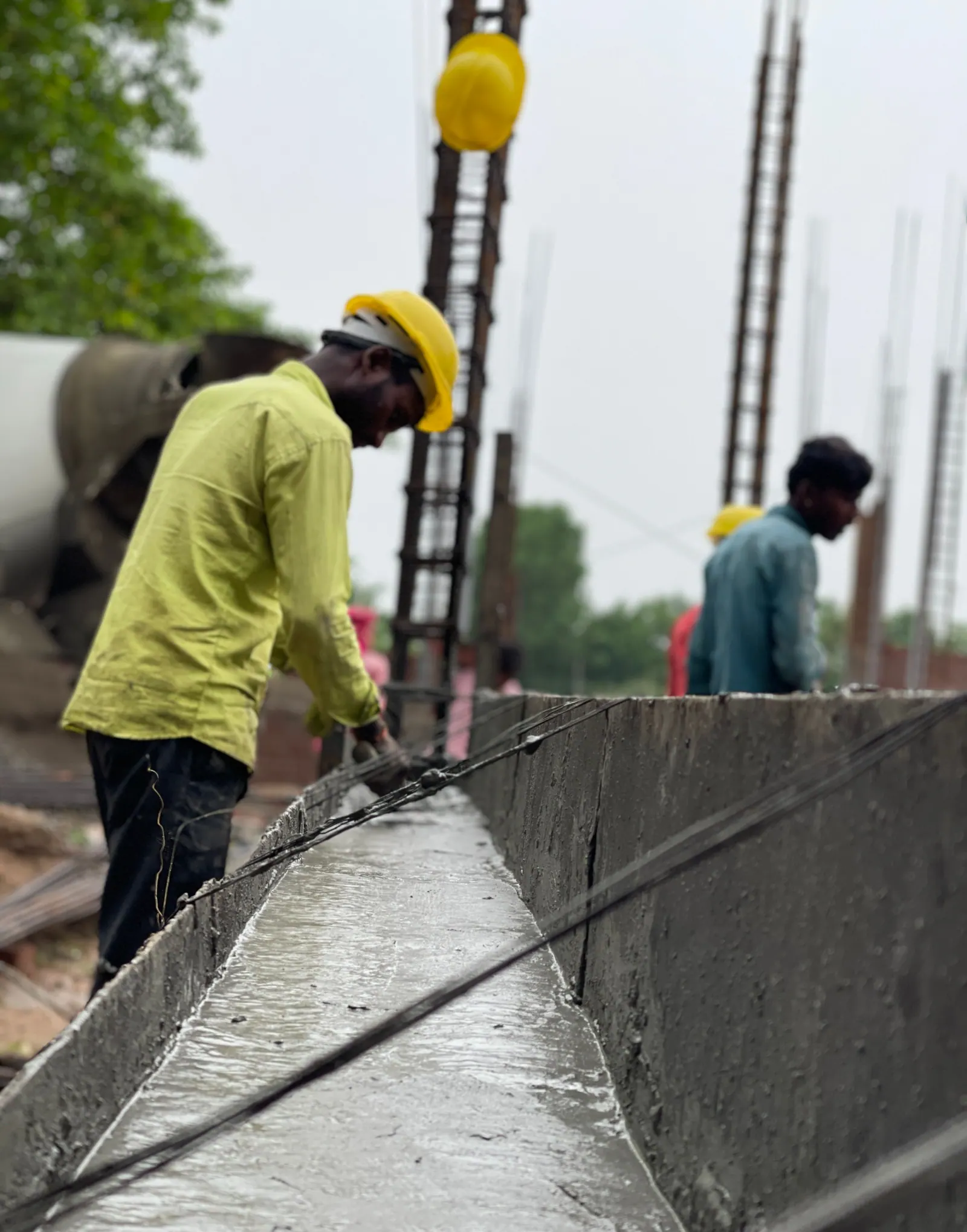
Clear responsibility for incidents, risks and follow-up.
Example: clarifying who reviews incidents and how actions are followed up.

Asset management
Asset decisions aligned with organisational objectives.
Example: deciding which asset records support maintenance decisions.
Information security management
An information security management system (ISMS) provides a structured approach to managing risks to your organisation’s information.
Example: reviewing how access to sensitive information is granted, checked and removed.
When to call us
Requirements are hard to explain, documents do not reflect practice, or review findings do not lead to change.
- Stage 1Agree the scopeIdentify the relevant standard, processes and purpose of the review.
- Stage 2Review practice and evidenceCompare how the management system works with the standard's requirements.
- Stage 3Explain the findingsExplain the findings and show what needs fixing.
A clear view of how your management system meets the requirements and what needs fixing.


Tell us what you need help with.
Describe the requirement or the part of the system that is not working.